-
Solutions
-
OEM Products
Outdoor access control projects combine several requirements that are easy to underestimate: user interaction, identification, network connection, enclosure design, power, peripheral interfaces, weather exposure, and long-term serviceability. A tablet-style display alone is not an access-control terminal. The final solution must be designed around the installation point and the access workflow.
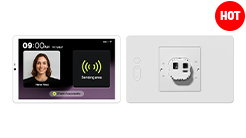
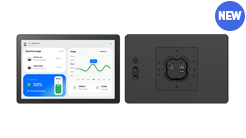
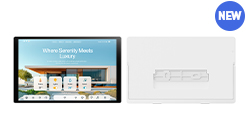
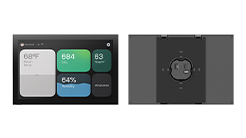
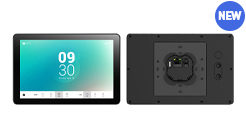
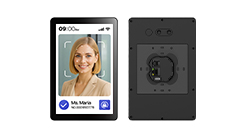
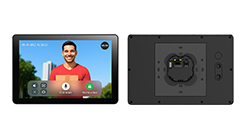
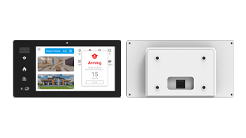
Pretech can support OEM/ODM Android HMI platforms for access-related applications. A project can be scoped around a display and touch interface, selected identity or credential peripherals, connectivity, relay or other I/O needs, mechanical mounting, and an Android software configuration suited to the intended workflow. The exact platform is defined through the project’s technical and deployment requirements.
We start by clarifying what happens at the door or gate: how a user is identified, what the device should show, what happens when the network is unavailable, and which external system receives the result. We then review installation constraints such as power, cable routing, light conditions, temperature exposure, enclosure requirements, and maintenance access. A sample should be evaluated using representative peripherals and conditions before production decisions are made.
● Document the access flow, roles, failure states, and user interface.
● Review required readers, sensors, lock-control interfaces, and connectivity.
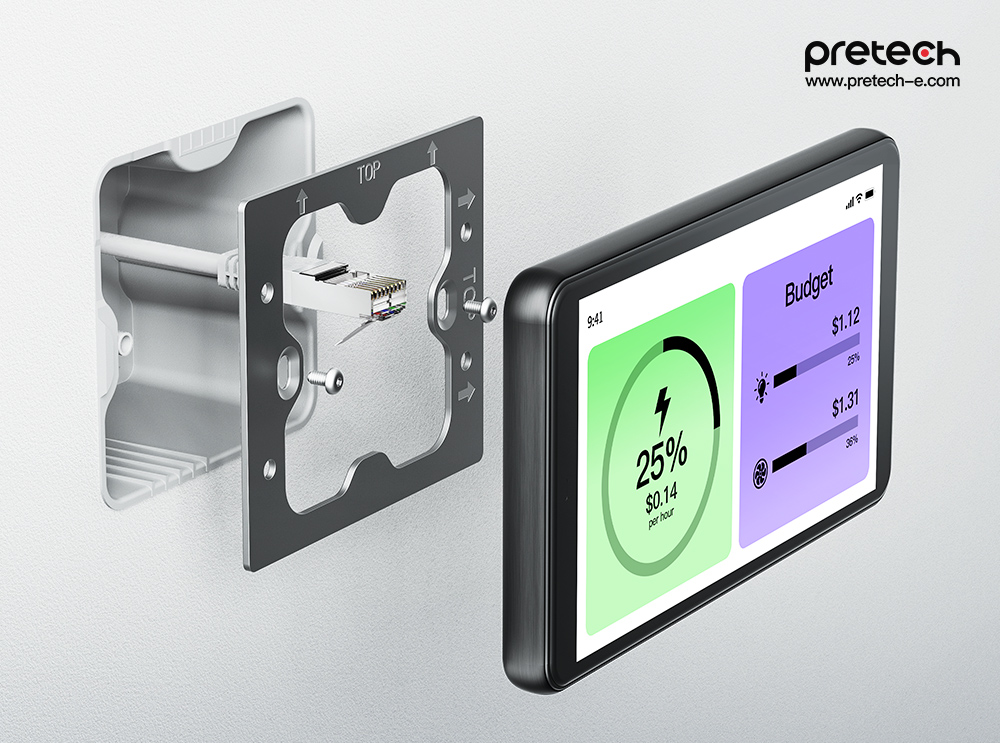
● Define mounting, enclosure, and cable-management requirements for the site.
● Plan Android kiosk behavior, commissioning, and remote support.
● Run environmental, compatibility, and reliability validation for the final configuration.
Pretech offers a practical bridge between an access-control product idea and a manufacturable Android terminal. Our value is not an unqualified promise about a standard device. It is the ability to discuss interfaces, embedded Android behavior, mechanics, and production readiness in one project conversation. This can give access-control brands and integrators a clearer path to a differentiated terminal.
Outdoor suitability, ingress protection, operating temperature, optical readability, connectivity, and compliance are project-specific matters. They must be confirmed through the appropriate design choices, tests, and certifications. Designing the validation plan early is often the most efficient way to reduce late-stage changes.
Building an access-control terminal? Provide the installation concept, required readers and I/O, connectivity, operating conditions, and target validation standards. We can help organize the technical questions for a prototype review.