-
Solutions
-
OEM Products
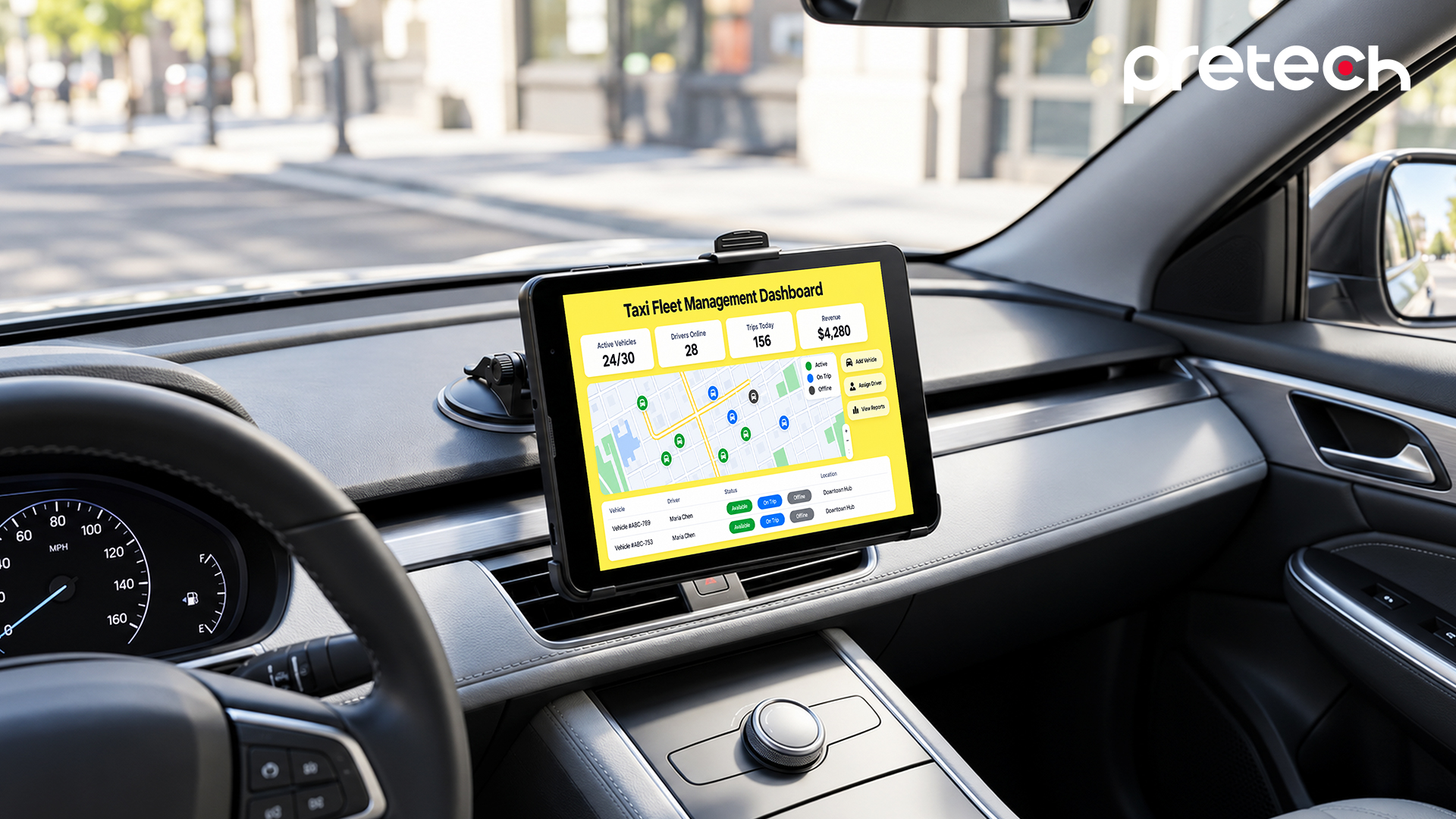
Field software only creates value when operators can use it reliably at the point of work. Fuel management and fleet SaaS teams often need a terminal that can identify a user or asset, display clear workflow steps, remain connected, and integrate with site equipment. The challenge is not simply choosing an Android screen. It is designing a terminal architecture that matches the operational environment.
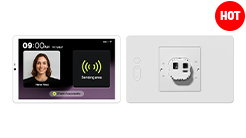
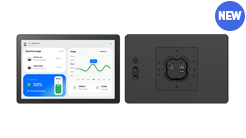
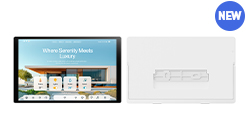
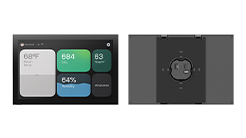
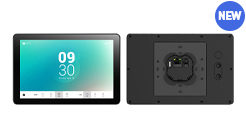
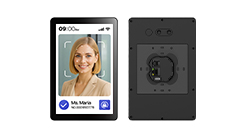
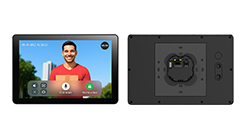
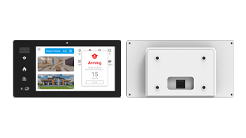
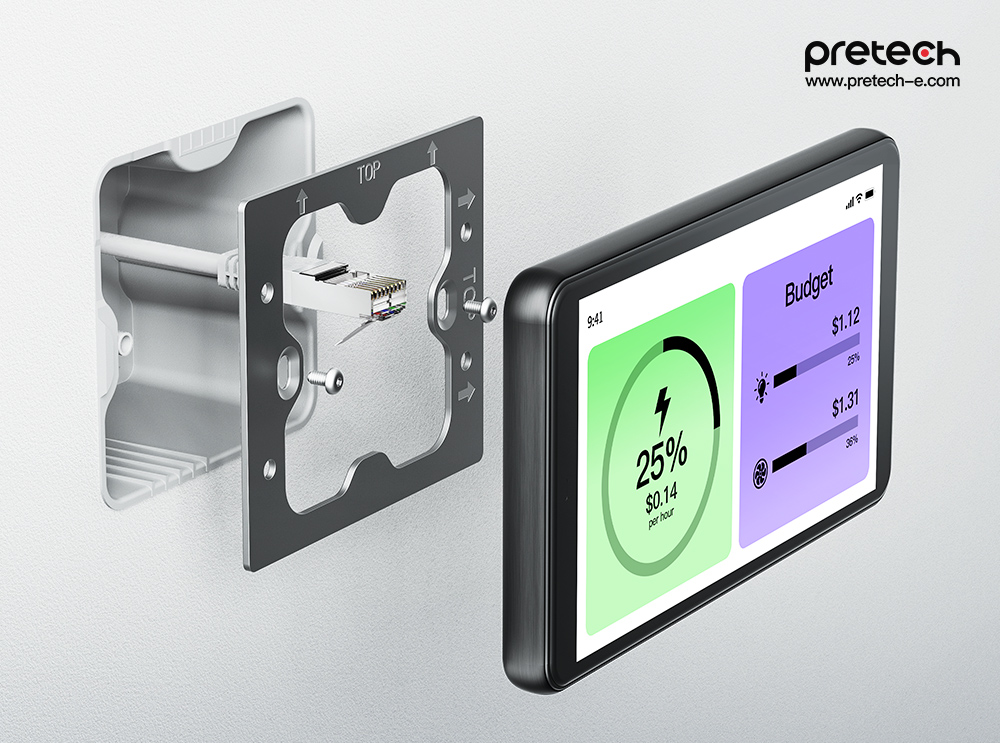
Pretech can provide configurable Android terminal platforms for identity, workflow, and connected-operation scenarios. Depending on the project, the platform can be specified around NFC or other identification methods, wired and wireless network requirements, display and touch needs, and selected industrial interfaces. It can be adapted for a wall, pedestal, vehicle, or equipment-mounted enclosure.
We translate the field workflow into an interface and integration plan. First, we map the user journey: identify, authorize, view status, enter data, and complete or escalate the task. Next, we review network availability, environmental constraints, power, I/O, installation space, and the SaaS application’s device-management requirements. A representative sample is then used to verify the end-to-end workflow before the configuration is frozen.
● Define the user or asset identification flow and exception handling.
● Review Ethernet, cellular, Wi-Fi, NFC, and selected I/O requirements.
● Plan enclosure, mounting, cable routing, and service access.
● Align Android provisioning, kiosk mode, updates, and remote support with the SaaS operations model.
● Validate the complete workflow in conditions representative of the final site.
Pretech helps software teams avoid treating hardware as an afterthought. We combine embedded Android experience with practical ODM support, so the terminal can be designed around real deployment constraints rather than a specification sheet alone. The aim is a stable, maintainable device layer that supports the software roadmap and gives the commercial team a more complete solution to take to market.
A successful field terminal must handle real users, real connectivity gaps, real maintenance, and real installation constraints. By defining the terminal around the operational workflow and validating integrations early, SaaS providers can reduce rework and create a more consistent service experience. Any performance, environmental, security, or compliance claim should be verified for the final design and deployment.
Planning a connected operations terminal? Send the workflow stages, identification method, interface list, connectivity conditions, and installation concept. We can help build a focused technical validation checklist.