-
Solutions
-
OEM Products
Why Standard Android Tablets Are Not Enough for Application-Specific B2B Projects is an important question because application-specific B2B projects rarely succeed by choosing a standard Android tablet only by size, chipset, or price. The device must fit the installation method, user workflow, interface requirements, software control model, certification path, and supply plan.
Pretech positions this type of project as a tablet, control panel, Android display, embedded HMI, or smart terminal definition process. The goal is not to over-specify the product. The goal is to match the device form factor, operating system behavior, accessories, and production path to the real application.
| Decision Area | Standard Product Thinking | Application-Specific B2B Definition |
| Product Choice | Start from screen size and price | Start from workflow, installation, interface, and lifecycle needs |
| Power and Installation | USB charging or temporary placement | PoE, DC input, dock charging, bracket, wall mount, or embedded installation |
| Connectivity | Wi-Fi and Bluetooth are often enough | PoE, RS485, GPIO, NFC, LTE, GPS, Pogo Pin, Zigbee, or Thread may be required |
| Software Control | Open Android behavior | Kiosk mode, MDM, OTA, GMS, permission control, and firmware-level settings |
| Deployment | Suitable for one-time or personal use | Designed for repeated B2B deployment, maintenance, and long-term supply |
| Conversion Path | Article ends with information only | Article should guide buyers to product pages, solutions pages, and RFQ |
A request such as "we need an Android tablet" is usually only a starting point. Pretech first clarifies where the device is installed, who uses it, what systems it connects to, which markets it will enter, and which risk should be validated first. This turns a vague product request into a practical product or solution path.
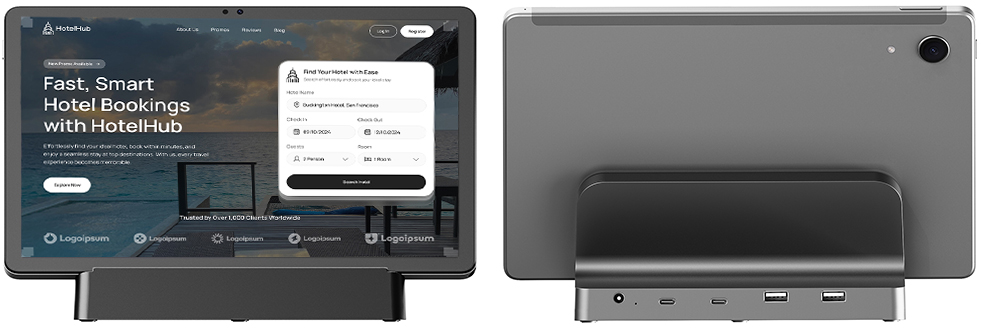
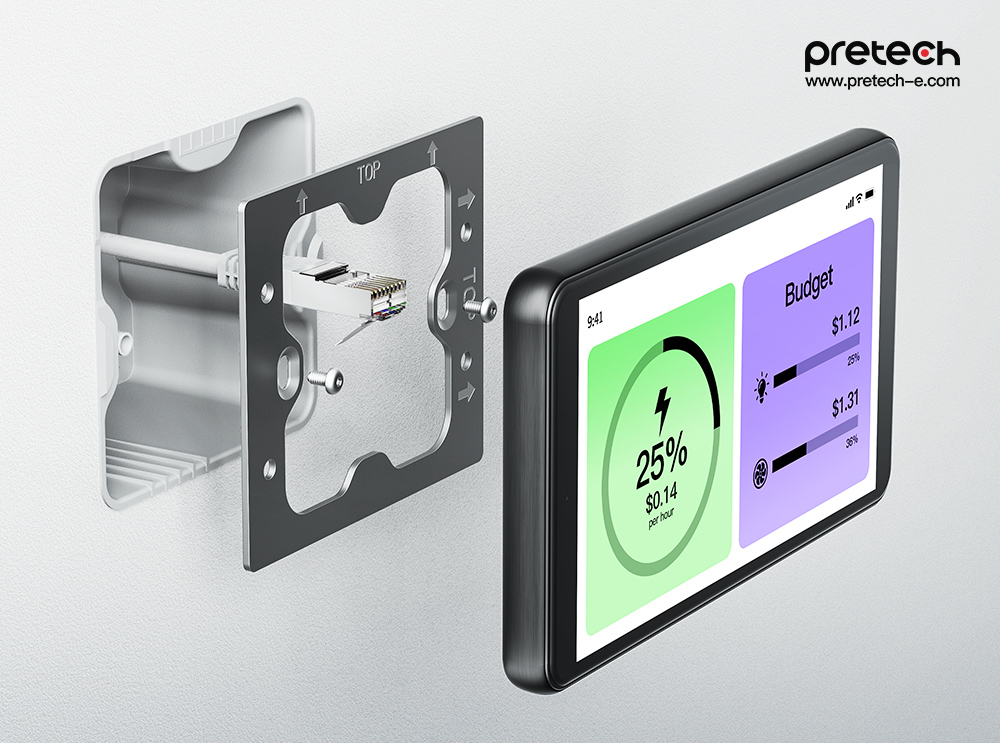
Application-specific devices may need wall mounting, VESA mounting, 86 box wall mount, flush mount, embedded installation, desktop stands, charging docks, or custom enclosures. Mechanical design affects heat, cabling, service access, user interaction, and installation consistency.
Depending on the project, the device may require PoE, RS485, GPIO, NFC, LTE, GPS, Wi-Fi, Bluetooth, Zigbee, Thread, or Pogo Pin. These interfaces should be selected according to the workflow rather than added as a generic feature list.
Commercial Android devices often need Kiosk mode, MDM, OTA updates, GMS support, app preloading, permission control, and sometimes custom ROM settings. These tools help customers manage devices across classrooms, hotels, taxis, retail locations, service counters, or equipment fleets.
Certification planning can affect wireless modules, antenna layout, power design, materials, labeling, and documentation. A prototype may prove the function, but production readiness also requires pilot run planning, quality control, product traceability, and repeatable manufacturing through Pretech factory.
B2B customers often need stable supply across several batches. Version control, EOL alerts, material alternatives, spare parts, and serial number tracking reduce long-term risk. Each article should also guide the reader to a relevant product page, solution page, or RFQ path rather than stopping at education only.
For fixed-installation projects, customers may compare a wall-mounted Android tablet, a PoE control panel, an Android display, or an embedded HMI. For payment or identification projects, NFC Android tablet solutions may be a better starting point. For equipment interfaces, HMI solutions can help frame the discussion. For ODM feasibility, ODM support connects the technical definition with production planning.
Pretech helps customers connect product marketing questions with real engineering decisions.
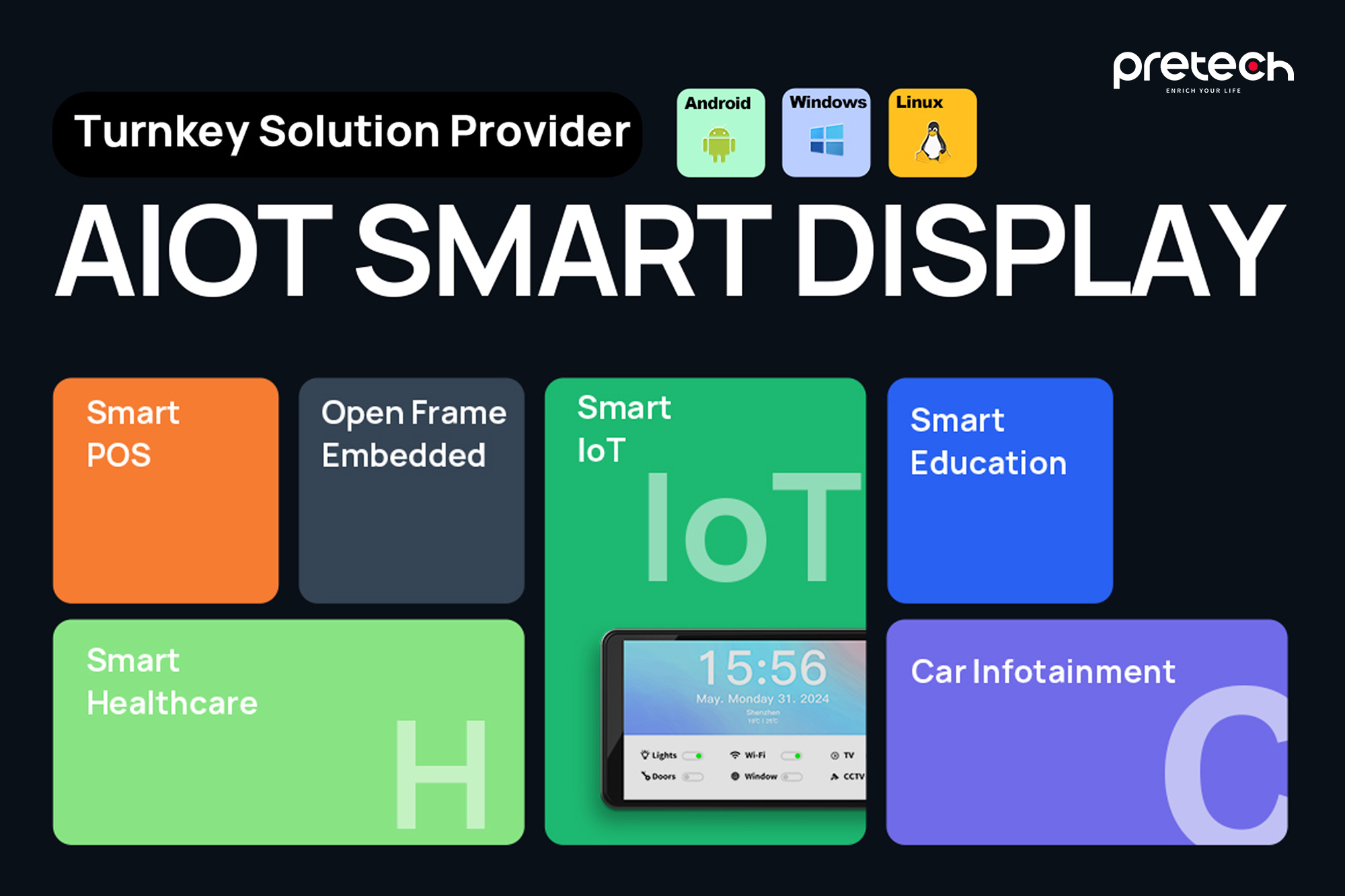
Depending on the project, the conversion path may lead to a wall-mounted Android tablet, PoE Android tablet, NFC-enabled terminal, embedded HMI, managed education tablet, mobility display, control panel, or custom Android display. Pretech can help evaluate ODM feasibility, validate the main risks, and recommend a practical route from prototype to mass production.
It can be used for early concept testing, but final deployment should be validated against installation, interfaces, software control, certification, and supply requirements.
Buyers should consider a custom path when the project needs fixed installation, PoE, RS485, NFC, Kiosk mode, MDM, accessories, certification planning, or long-term supply.
Customers should prepare the application scenario, installation method, operating system needs, key interfaces, target markets, estimated volume, and main project risks.
Need help defining a tablet, control panel, Android display, or smart terminal for your B2B application?
Share your scenario, installation method, key interfaces, target markets, and expected volume. Pretech can help evaluate the right product or solution path.
Contact Pretech