-
Solutions
-
OEM Products
System integrators evaluate a wall-mounted panel differently from an end user. They do not only ask whether the screen is bright or whether the interface looks modern. They ask whether the device can receive stable power, fit the wall structure, communicate with existing control equipment, run the required application, stay locked to the intended workflow and remain serviceable after installation. In BMS, facility management and industrial control projects, these questions matter more than consumer-style specifications.
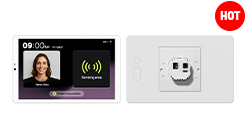
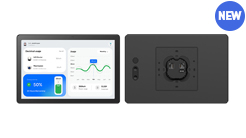
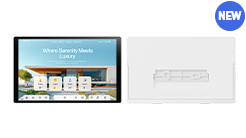
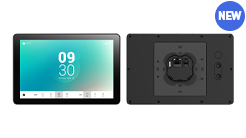
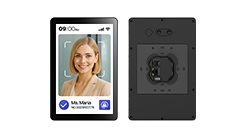
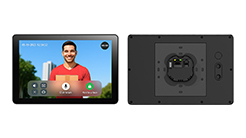
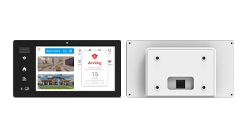
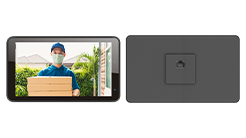
WP106 is designed to give system integrators a practical Android hardware platform for smart building control. The 10.1-inch touch screen provides enough space for room control, monitoring dashboards, service buttons, status displays, access interaction or equipment control interfaces. The wall-mounted form factor makes the control point visible and repeatable across rooms and buildings. Instead of relying only on mobile apps or separate control switches, the integrator can provide a consistent on-site interface.
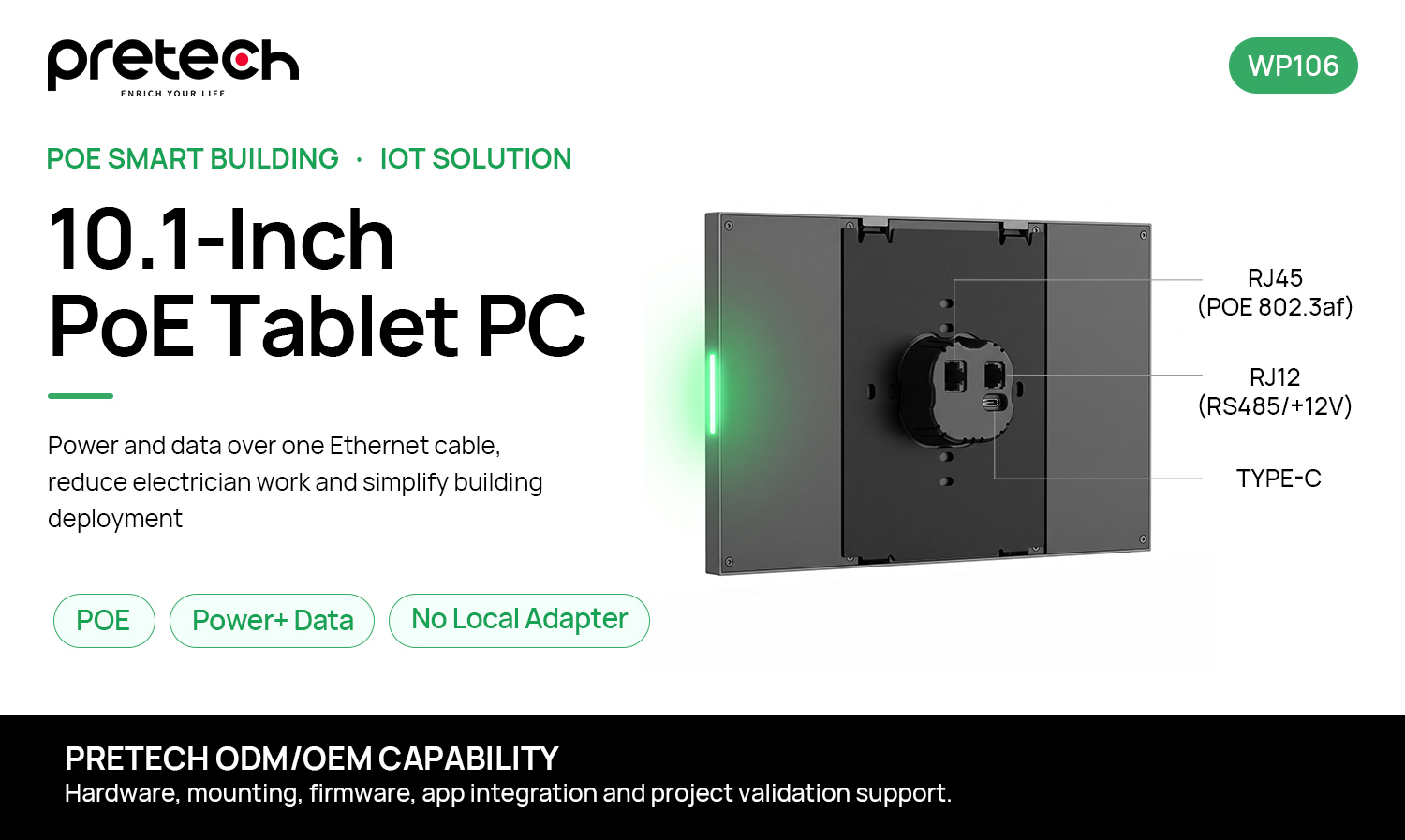
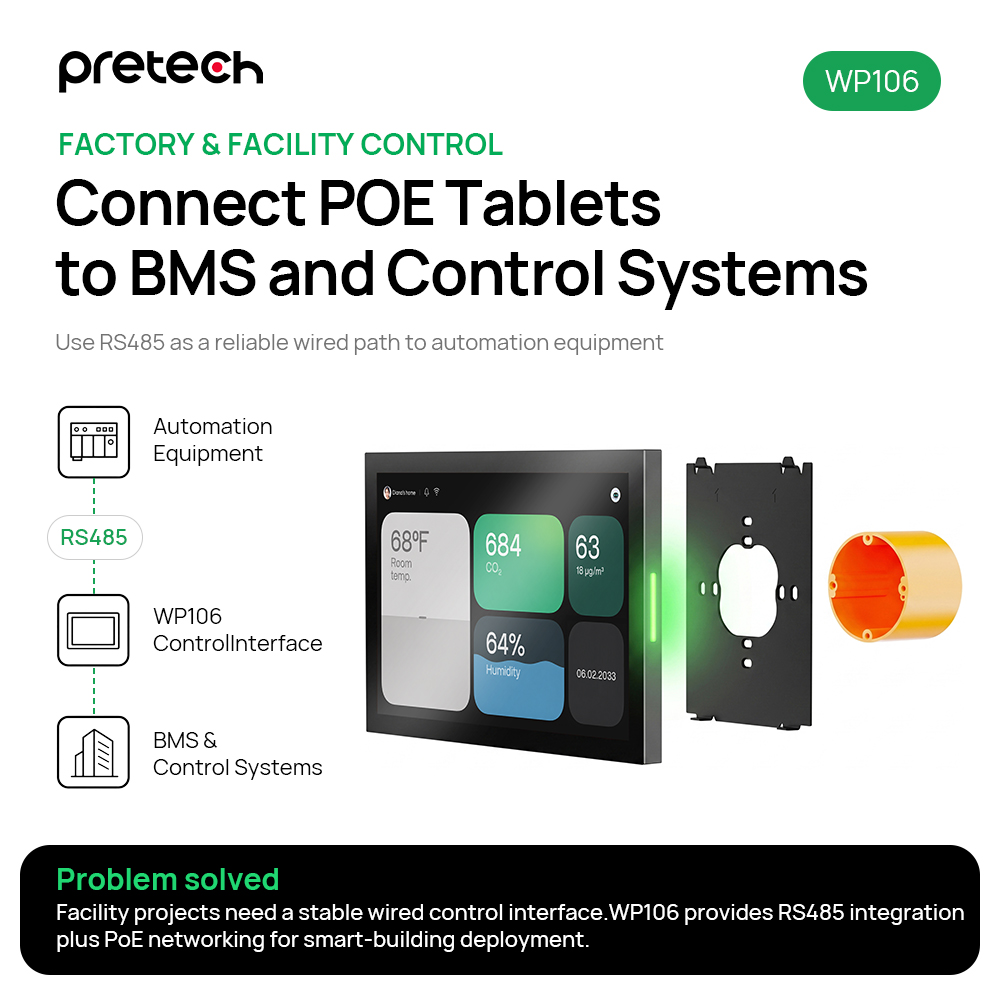
RS485 is one of the key reasons WP106 fits integration projects. Many building and facility systems still depend on reliable serial communication with controllers, automation boards, access devices, HVAC equipment or industrial control modules. RS485 gives the buyer a practical path to connect the Android panel with these systems. It is not presented as a fashionable feature; it solves a real integration problem. For BMS and facility buyers, a local serial interface can reduce the need for external adapters and make the control architecture cleaner.
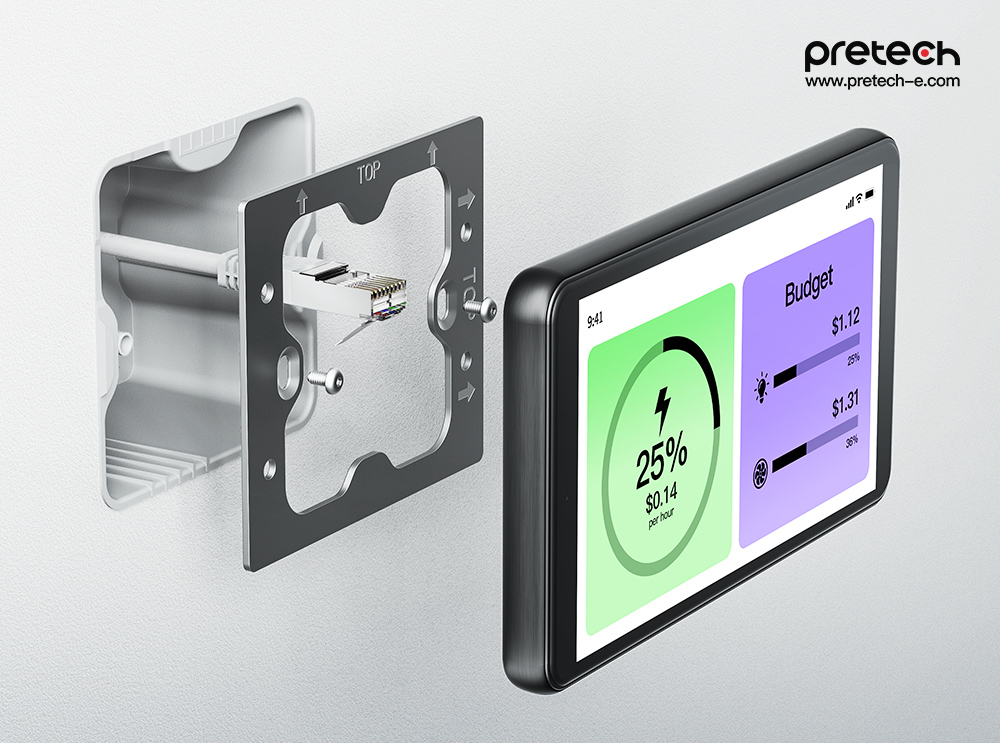
PoE supports the other side of the integration problem: installation infrastructure. A system integrator often needs to plan power and network at the same time. With PoE, WP106 can receive both through one Ethernet cable. This makes installation easier to standardize across meeting rooms, hotel rooms, nursing stations, factory control points, campus buildings and public facility zones. It also helps reduce confusion between electrical work, IT work and low-voltage system work during deployment.
Under-glass NFC expands WP106 from a display interface into an identity-based interaction point. Depending on the buyer's software and workflow, NFC can support staff check-in, card tap, access control, visitor interaction or payment-ready use cases. In an office building, this can support room booking or attendance. In a clinic, it can support staff identity workflows. In a facility system, it can help operators confirm presence before triggering certain actions. Pretech positions NFC as an integration option, not a one-size-fits-all promise.
Optional Zigbee can support smart IoT expansion when the project needs low-power room devices or local wireless peripherals. For example, a smart building solution may need to connect sensors, switches or room-side devices without adding heavy wiring. Zigbee should be evaluated according to the buyer's system architecture, gateway plan and software design. Pretech can discuss these requirements during the project stage so the buyer can avoid choosing modules that do not match the deployment.
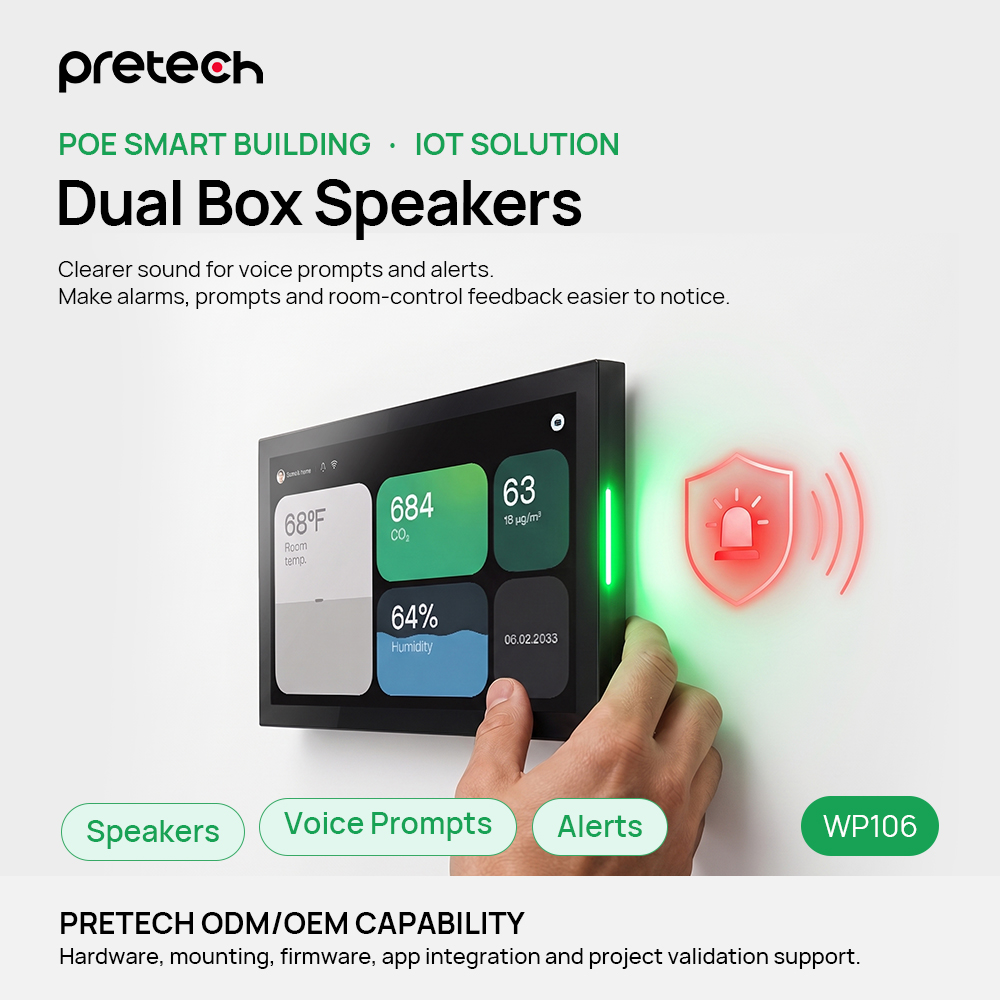
The programmable RGB LED status light is another small feature with strong integration value. In many buildings, users and maintenance staff need quick visual feedback before they touch a screen. The LED can be configured to show room status, access status, service request, alarm state, device availability or installation feedback. This is useful in meeting rooms, clinics, public spaces and facility control points where a visible status signal reduces user uncertainty.
Pretech's manufacturer capability is important because integration projects often need decisions before production. Buyers may need a black or white housing, different mounting accessories, a specific wall box fit, a project logo, a locked Android image, app preload, kiosk behavior, interface confirmation and packaging requirements. Pretech can support these discussions as part of the WP106 solution. The buyer can validate samples, confirm fit, test communication and refine the deployment before placing larger orders.
For system integrators, the business benefit is risk reduction. A panel that cannot fit the wall, talk to the controller or run the required workflow will delay the project even if the hardware price is low. WP106 provides a stronger starting point because it combines display, wall mounting, PoE, RS485, NFC, optional Zigbee and LED status in one platform. Pretech then adds the project engineering and customization support needed to make the platform usable in real deployments. This is why WP106 is relevant for BMS integrators, HVAC solution providers, access control companies, facility management vendors and IoT hardware brands.
A second benefit is sales clarity. Integrators often need to explain their solution to building owners, contractors and procurement teams. If the control interface is built from separate consumer devices and external adapters, the solution can look improvised. WP106 allows the integrator to present a professional wall-mounted panel with clear installation logic and defined interface options. This improves the buyer's confidence during project bidding, because the hardware appears aligned with commercial building requirements.
Pretech can support the integrator's technical review process before volume ordering. The buyer can share the target control system, required serial communication, network environment, wall box, accessory expectations and software workflow. Pretech can then help identify which parts are standard, which are optional and which require project customization. This kind of early clarification is valuable because it reduces late-stage changes after the pilot site has already been installed.
From an order-conversion perspective, WP106 gives system integrators a stronger story to tell. It is not only a screen; it is a control endpoint that can combine PoE infrastructure, RS485 communication, NFC identity interaction, optional Zigbee expansion and visible LED feedback. When supported by Pretech's manufacturing and customization capability, the integrator can move faster from technical concept to sample validation, and from sample validation to a repeatable deployment package for multiple customer sites.
This is also useful for procurement teams. A clear product platform helps them compare supplier value beyond the lowest unit price. They can evaluate whether the supplier can support samples, customization, technical communication, documentation and stable delivery. For integrators who need to win long-term projects, this reliability can be more important than saving a small amount on a single device.
For this reason, the right inquiry should include the control protocol, wiring environment, mounting condition, software workflow and expected rollout scale. With those details, Pretech can help the buyer judge whether WP106 is the right platform and which configuration should be tested first.
RS485 provides a practical serial communication path for controllers, BMS equipment, HVAC devices, access systems and industrial automation modules.
Yes. WP106 can be configured as a wall-mounted control and status interface for facility automation, building services and equipment interaction.
Yes. Pretech can discuss module, antenna, interface, software and workflow requirements during the requirement stage.