

-
Solutions
-
OEM Products
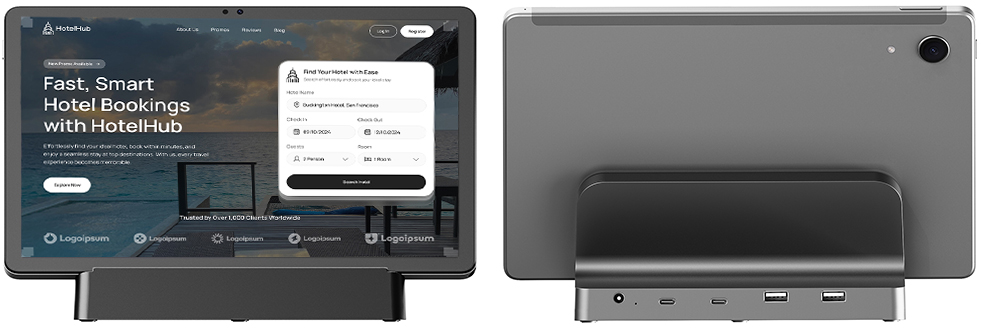
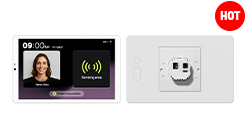
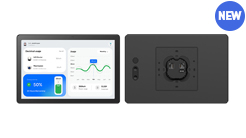
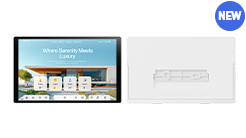
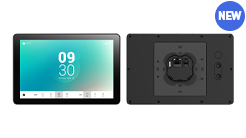
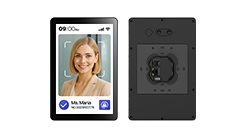
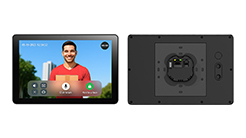
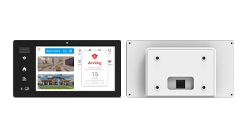
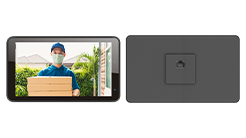

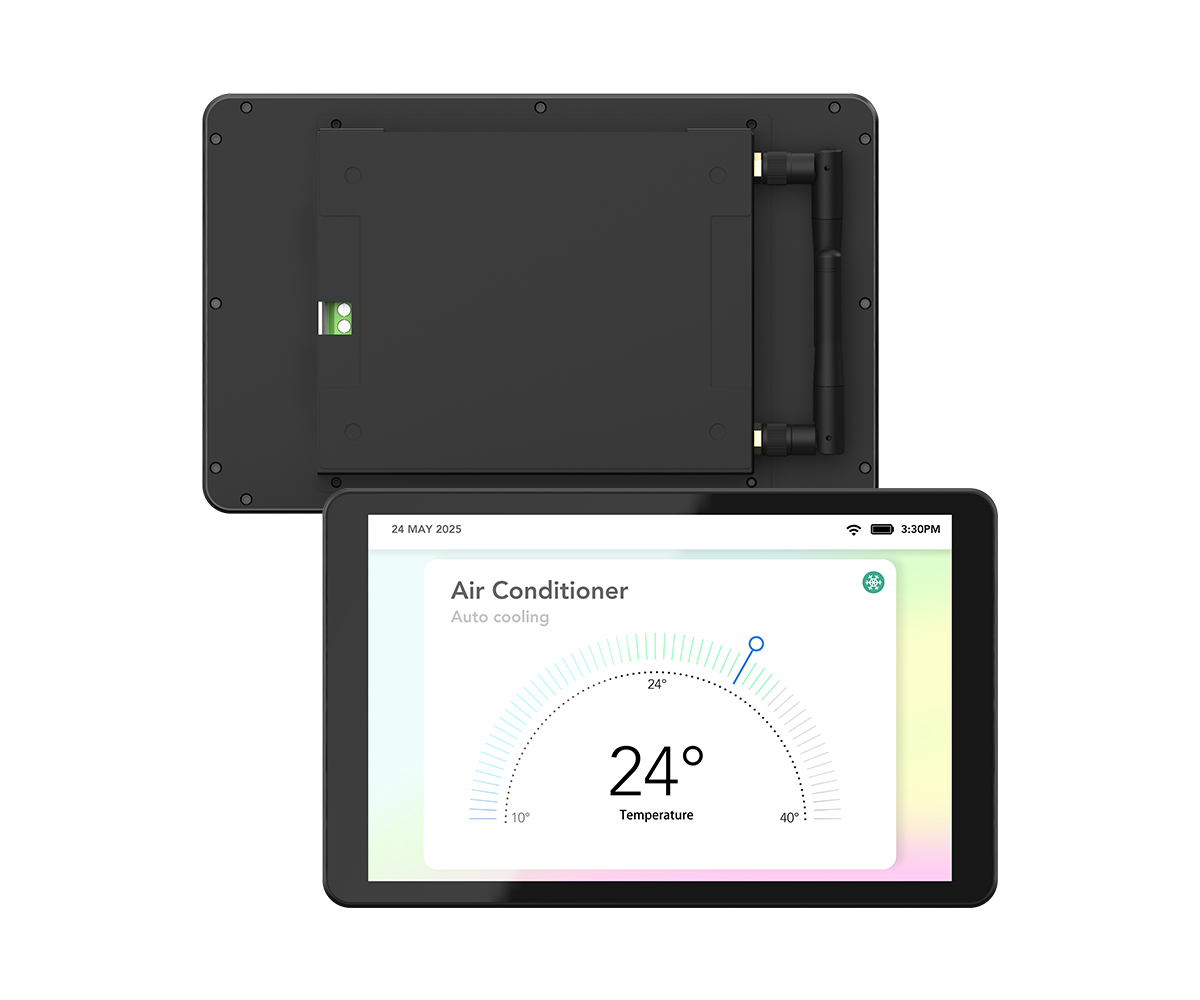
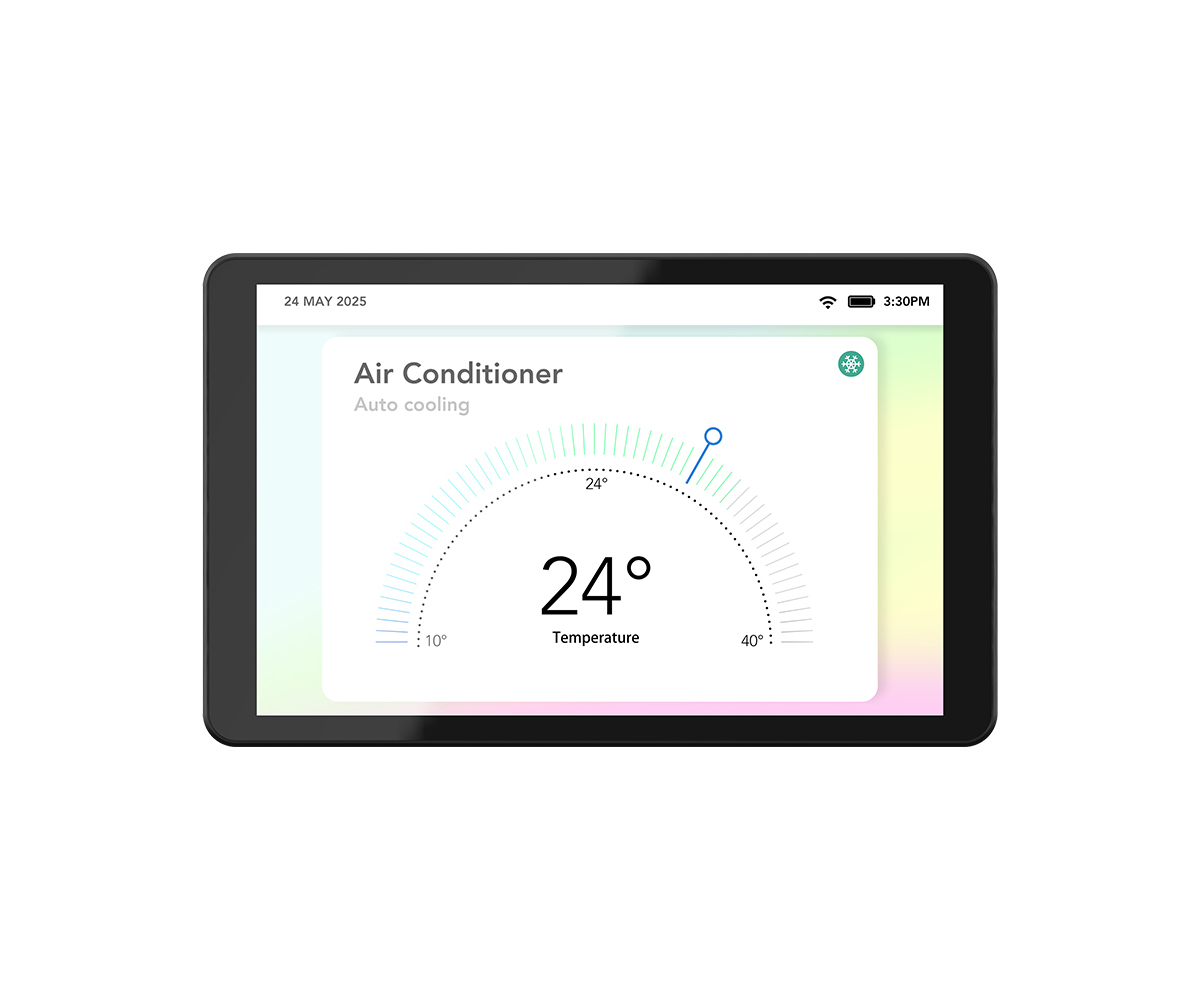
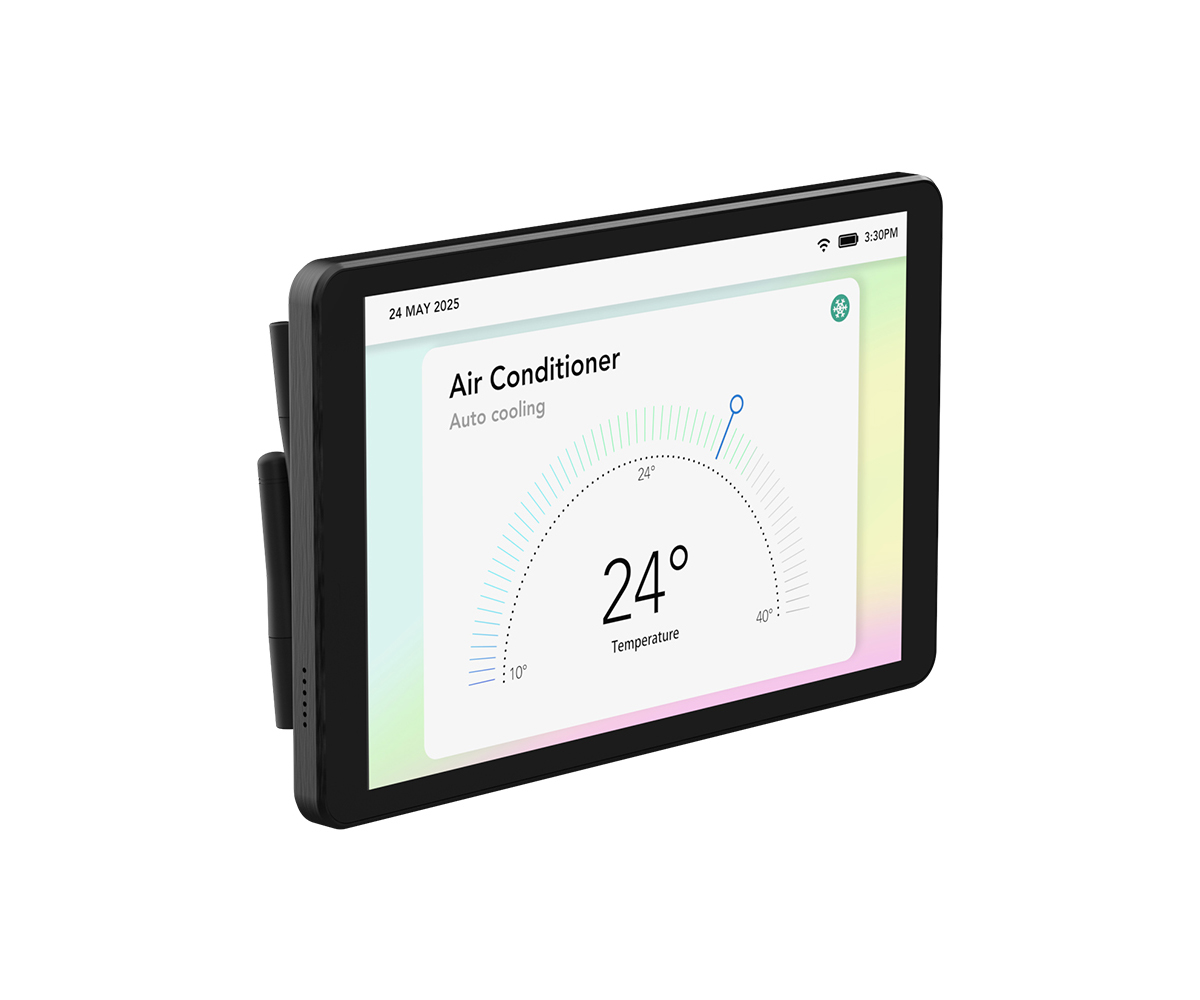
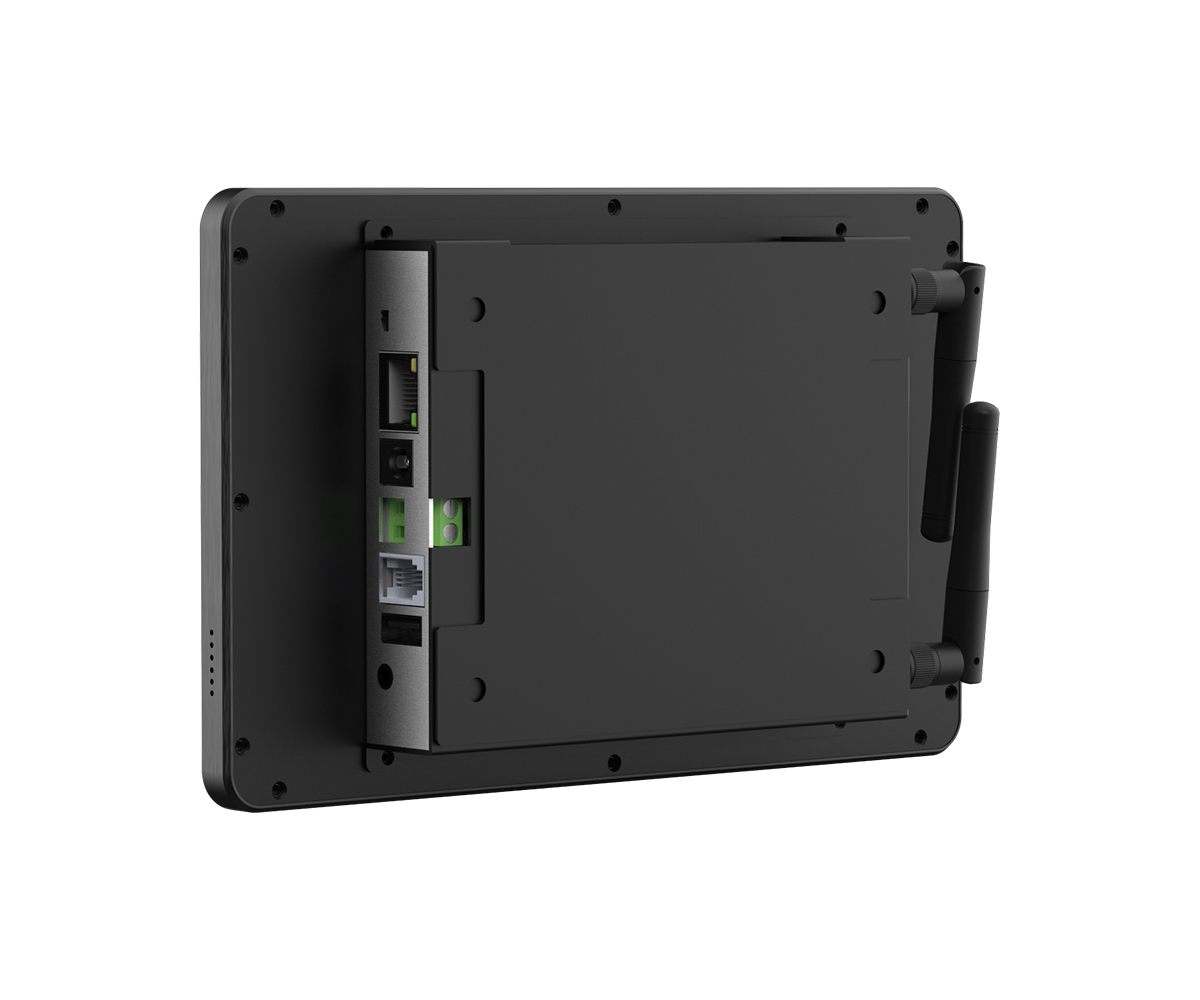
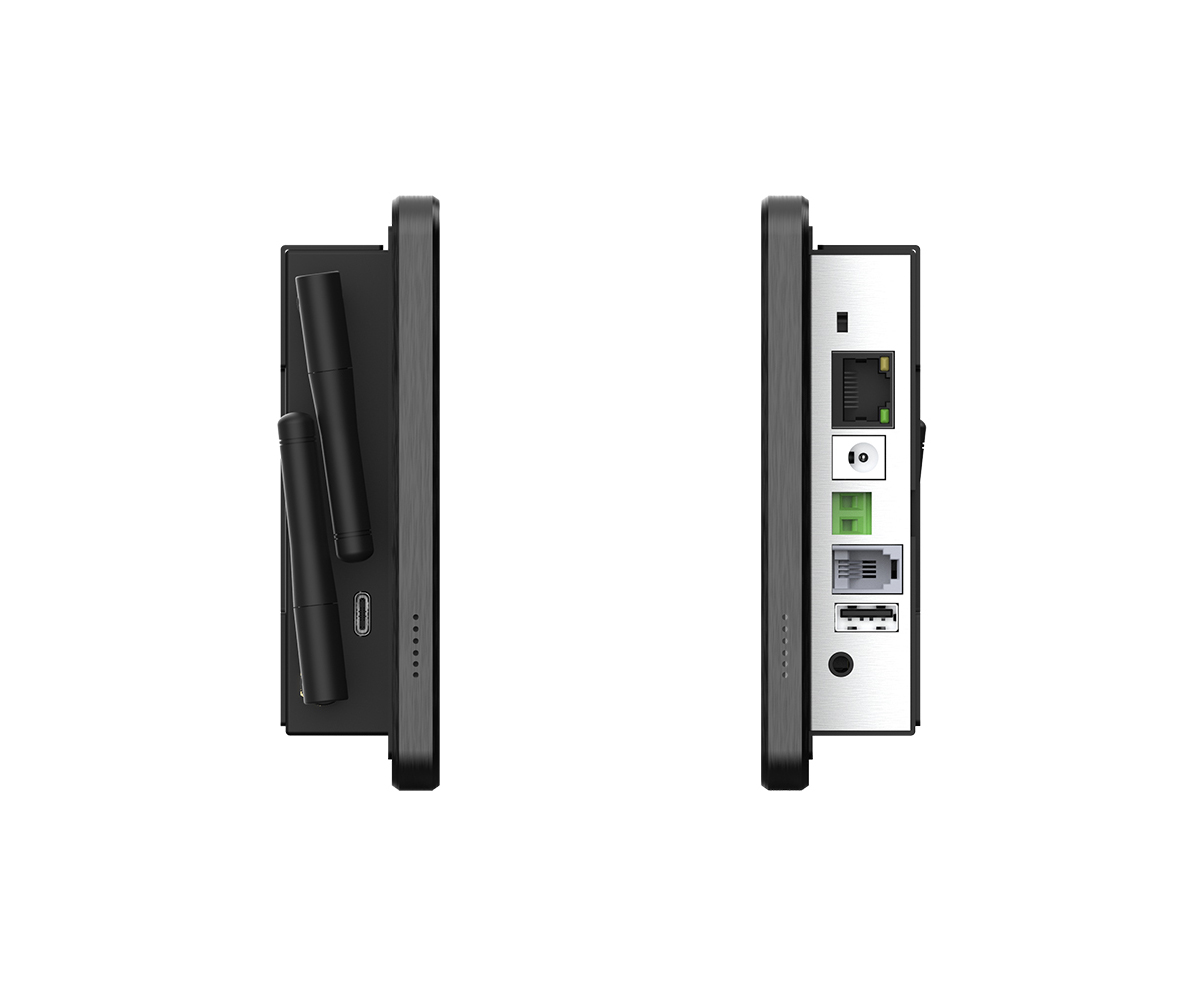
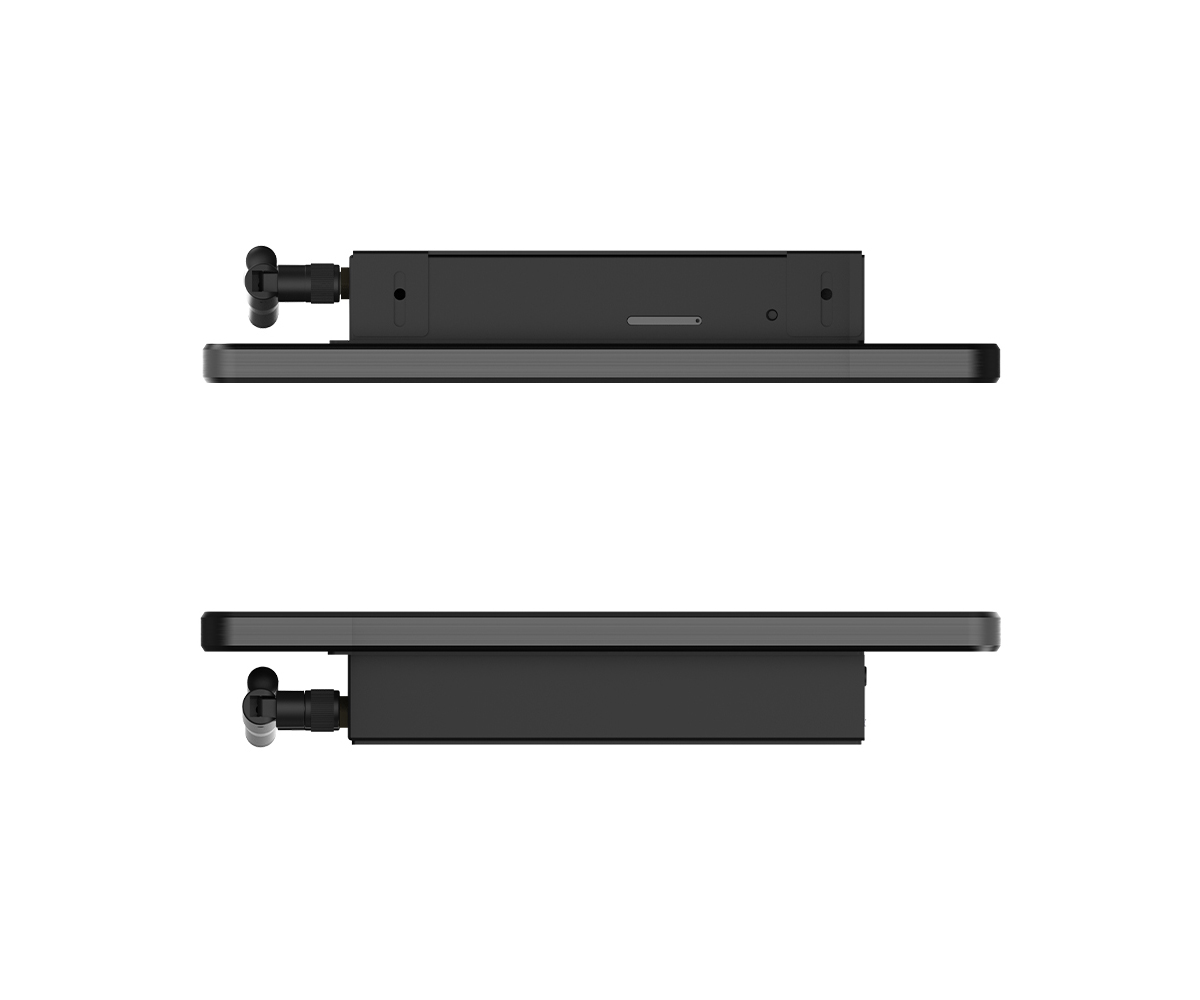


P801 Custom 8-Inch POE Tablet Screen Wall Panel - Power and Connectivity
MODEL: P801
Applications:
Overview
Overview
Specifications Inquiry-
 8inch 800 x 1280 IPS G+FF Full Lamination
 -
 MT8768 8x A53 2.0GHz
MT8766 4x A53 2.0GHz -
 Android 11/Android 14 Optional
 -
 RAM:4GB/6GB
Storage:32GB/64GB/128GB -
 NA
NA -
 WiFi 802.11 ac/b/g/n; BT5.0
 -
 NA
NA -
 5V/3A
5V/3A
Specification
Overview
Specifications
Inquiry-
CPUMT8768 8x A53 2.0GHz
MT8766 4x A53 2.0GHz -
OSAndroid 11/Android 14 Optional
-
Screen8inch 800 x 1280 IPS G+FF Full Lamination
-
RAM4GB/6GB
-
Storage32GB/64GB/128GB
-
Wi-Fi/BluetoothWiFi 802.11 ac/b/g/n; BT5.0
-
LTE-FDDB1/3/5/7/8/20,B2/4/7/17/28 Optional
-
LTE-TDDB38,40 Optional
-
3G900/2100MHz,850/1900MHz Optional
-
2G850/900/1800/1900MHz
-
CameraNA
-
SupportNA
-
I/ODC in x 1
USB-A x 1
USB-C x 1
SIM card x 1
Micro SD x 1
RS485 x 1
Earphone x 1
RJ45(PoE-15W) x 1 -
Battery5V/3A
-
Dimensions200.3 x 124.5 x 32.3mm
-
Weight710g
-
Speaker2 x Box Speakers
-
LTEFDD B1/3/5/7/8/20,B2/4/7/17/28 Optional
TDD B38,40 Optional
Inquiry
Overview
Specifications
Inquiry
FAQs
- Processor Flexibility & Performance
- Communication & Wall-Mount Features
- Versatility & Industrial I/O
Processor Flexibility & Performance
-
The P801 specifications list two CPU options: MT8768 and MT8766. What differentiates these choices for a customer?The primary difference lies in core count and performance stability: the MT8768 is an Octa-core (8x A53) processor, while the MT8766 is a Quad-core (4x A53) processor. The MT8768 offers higher peak performance and better multitasking capabilities for complex applications, whereas the MT8766 is a more cost-effective choice for simpler control panel and display tasks that require energy efficiency.
-
How scalable are the RAM and Storage options on the P801 for different enterprise needs?The P801 offers flexible memory configurations, supporting 4GB or 6GB of RAM and 32GB, 64GB, or 128GB of Storage. This scalability allows clients to choose a configuration that precisely matches the requirements of their application—whether it's running a lightweight HMI application (4GB/32GB) or a complex system requiring significant local data logging (6GB/128GB).
Communication & Wall-Mount Features
-
In addition to the wired PoE connection, what advanced wireless and cellular capabilities does the P801 offer?Beyond standard AC Wi-Fi (802.11 ac/b/g/n) and Bluetooth 5.0, the P801 offers optional 4G LTE cellular connectivity (LTE-FDD/TDD) and 3G/2G support. This is critical for applications that require constant connectivity even if the wired Ethernet link fails, or for remote installations where a dedicated data line is needed for control and data transmission (e.g., remote signage, vehicle tracking).
-
How does the "G+FF Full Lamination" screen on the 8-inch display enhance the user experience in various applications?The G+FF (Glass + Film + Film) Full Lamination display provides a brighter, clearer image with reduced parallax and improved touch responsiveness on the 8-inch, 800 x 1280 IPS screen. This enhances interactivity and visual quality, which is vital for applications like POS terminals, interactive kiosks, or HMI control panels where clear input/output and visibility are essential.
Versatility & Industrial I/O
-
The P801 is listed for diverse applications (HMI, Healthcare, POS, etc.). What I/O features enable this versatility?Its versatility is enabled by a rich set of I/O ports including USB-A, USB-C, Micro SD, SIM card slot, Earphone jack, and a critical RS485 port. The inclusion of both consumer (USB-A/C) and industrial (RS485) interfaces, combined with the optional cellular modem, allows the P801 to function effectively as a universal terminal across multiple sectors, from patient care to factory floor control.
-
What ODM services are emphasized for customers integrating the P801 into a final product design?For the P801, key ODM services focus on ID/MD (Industrial/Mechanical Design) to fit custom enclosures (wall panel integration), System Customization of the Android OS (Android 11/14 Optional) to lock down the interface, and Component Life Cycle Survey to ensure long-term availability and stability of the chosen processor/memory combination, which is vital for commercial and industrial deployments.
Related Solutions


Interested in learning more?
See all of our smart devices solution for every industry

